Why do the glass balls on my chandelier look cloudy? Decide if you need light, airflow, or both — then size the room and pick clear LED specs from 51lighting.
What exactly is do the glass balls on my chandelier look cloudy?
do the glass balls on my chandelier look cloudy is a residential ceiling lighting/airflow solution used for general or task light, marked by LED efficiency and secure mounting.
- Parameter/Intent: general
- Kelvin example: 4500–6500
- Watt band: 24–36 W
Which reference ranges apply to do the glass balls on my chandelier look cloudy?
US/retail guides for 2024–2026 often list residential ceiling LEDs around 24–36 W for mid-size rooms.
- 24–36 W band
- 4500–6500 K examples
- Market context 2024–2026
What are the limits of do the glass balls on my chandelier look cloudy?
For apartments/houses; not for industrial/hazardous (Ex) spaces or baths without a proper IP rating.
- Covers residential use
- Not industrial/Ex
- Humidity limited by IP
How do you get do the glass balls on my chandelier look cloudy right?
Measure → pick (24–36 W class) → mount; success: 20 minutes of stable light with no flicker/rattle.
- Measure the room.
- Match specs.
- Test-run 20 minutes.
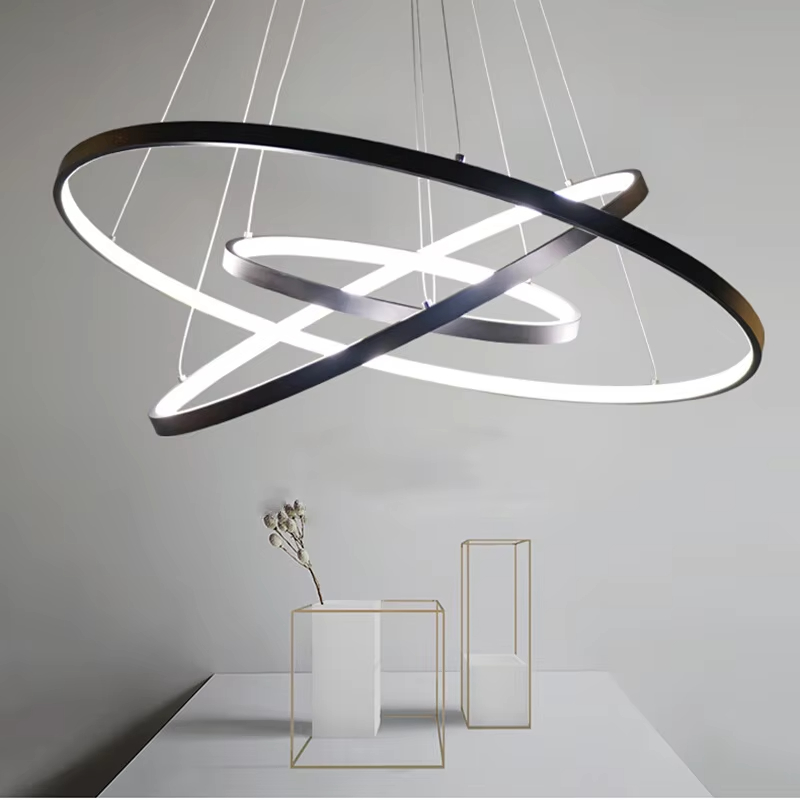
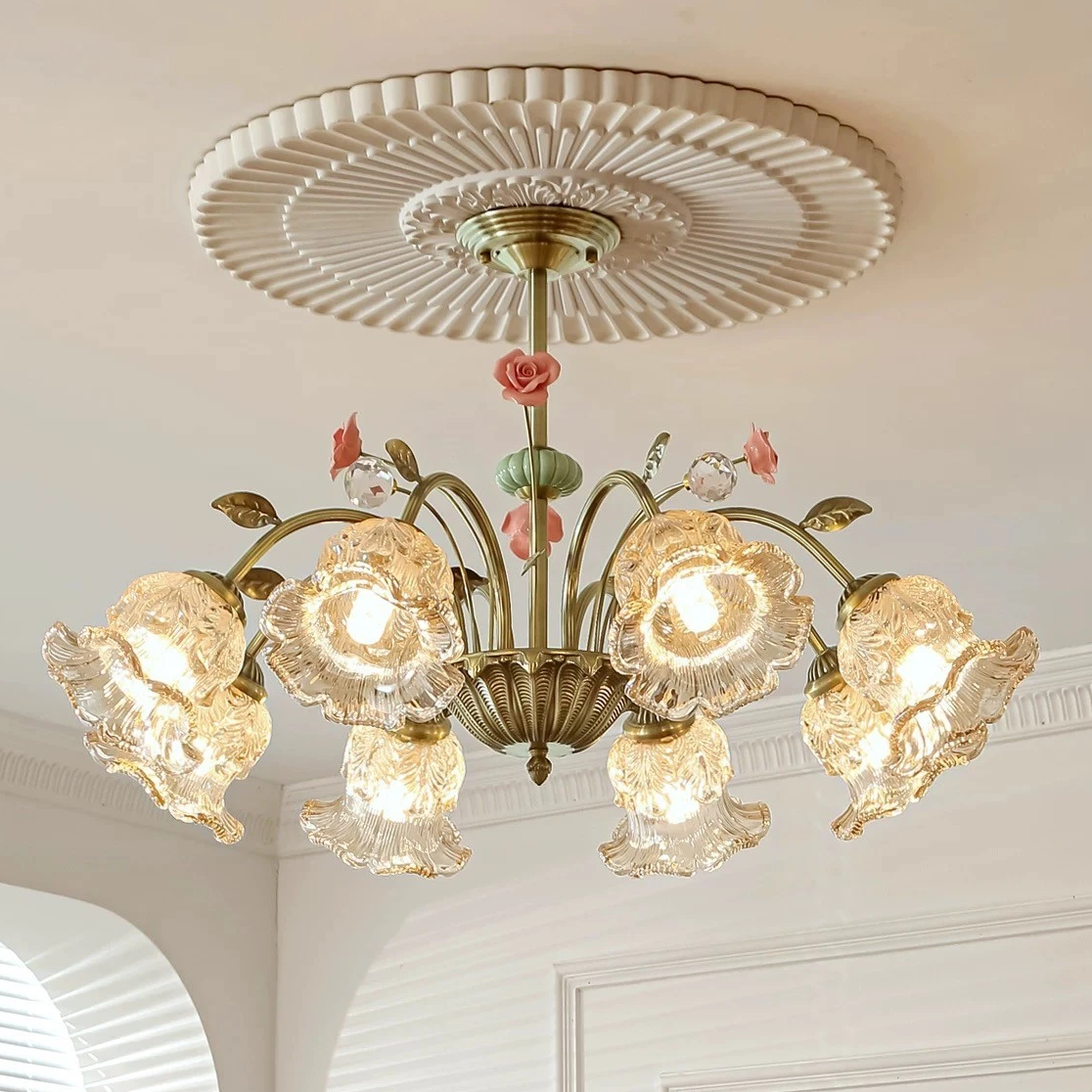
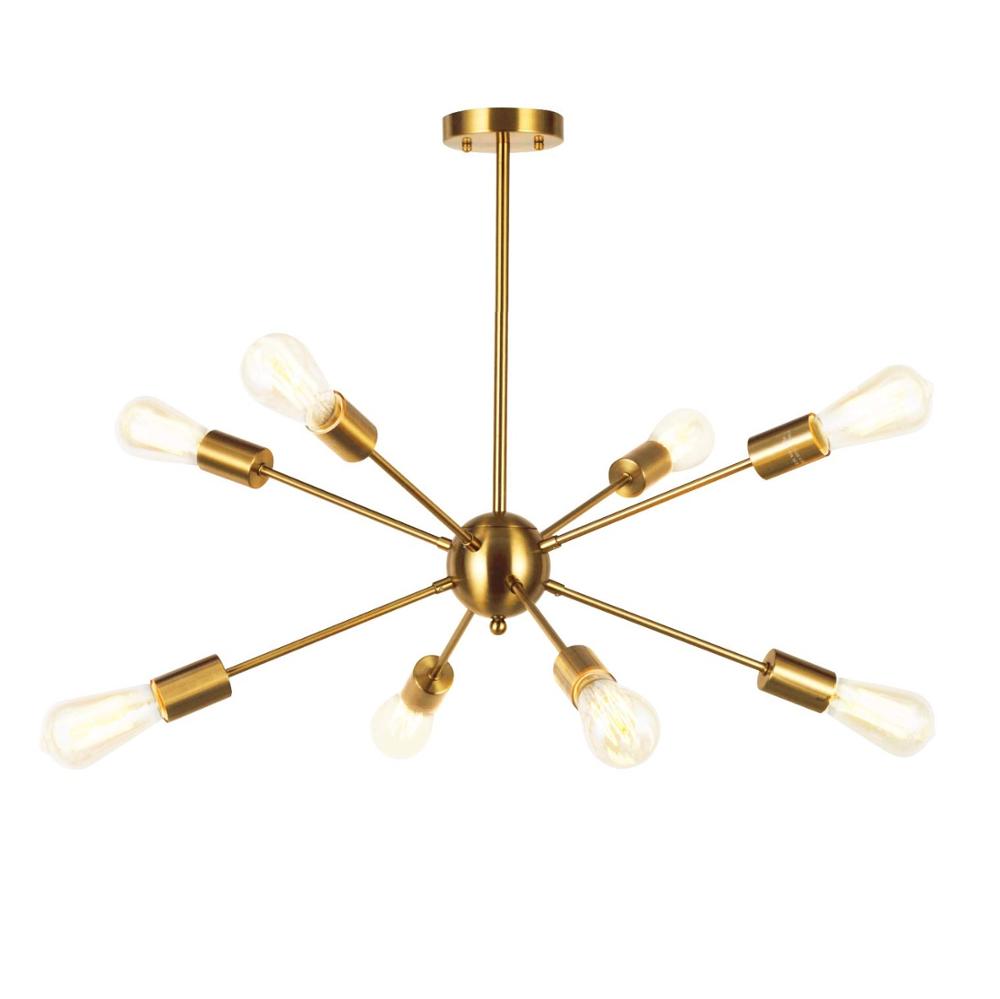
Practical photos: install, display, care
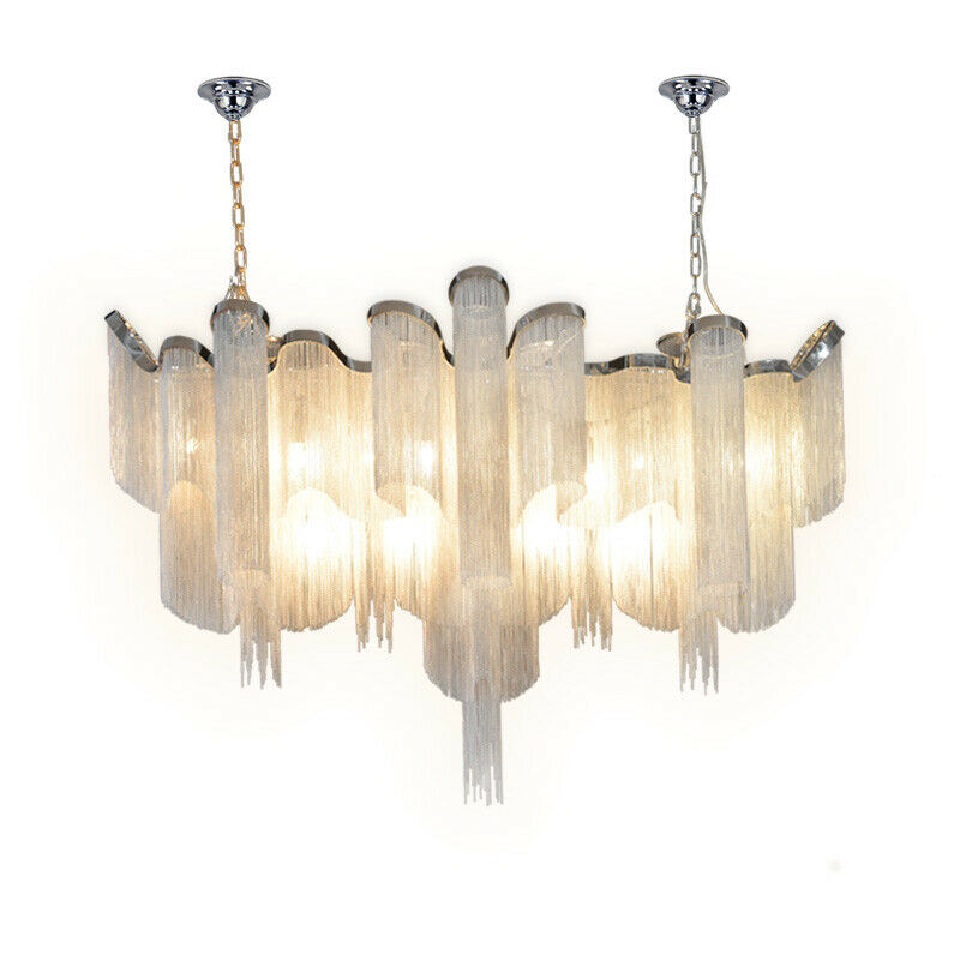
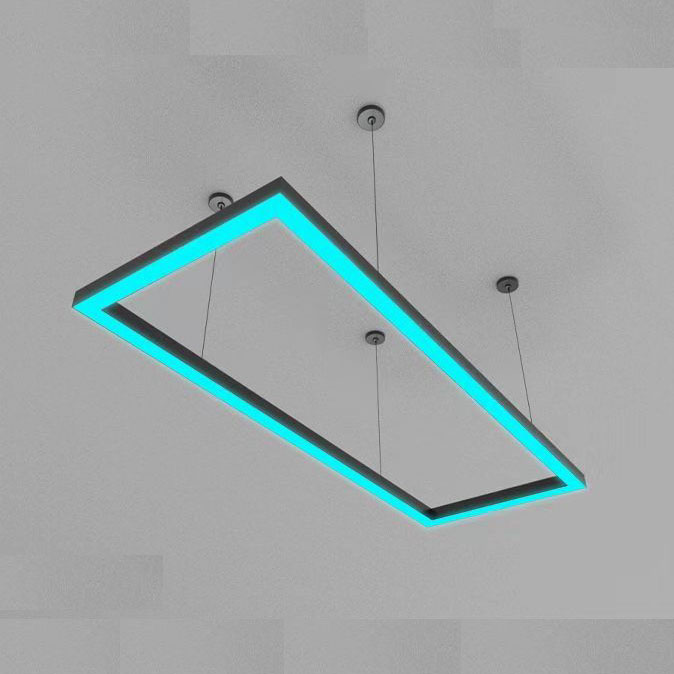
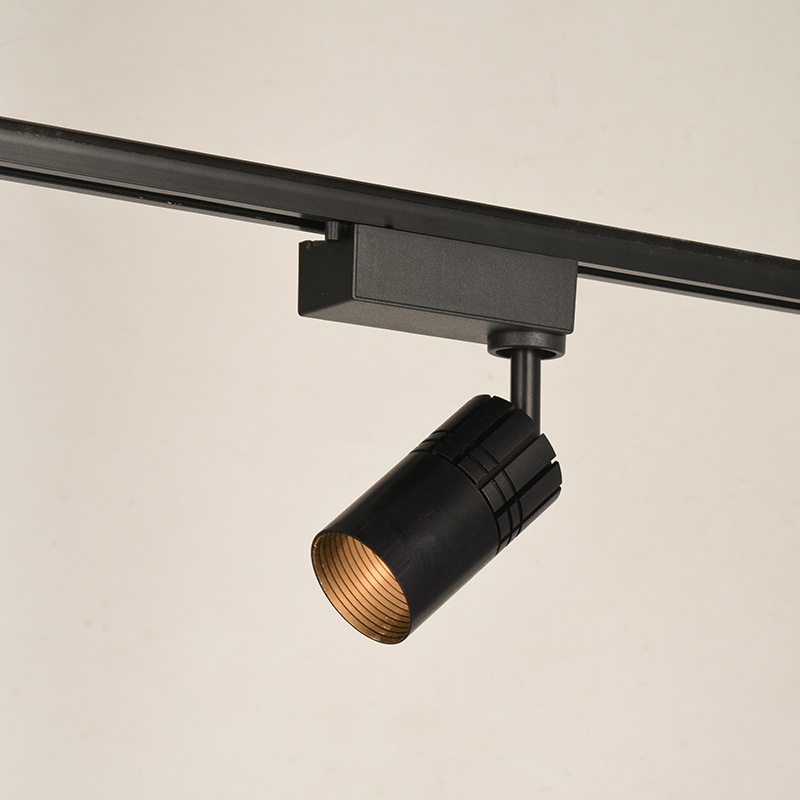
Which 51lighting products fit this?
- All ceiling lights
- 12V LED under-cabinet strip
- Crystal mini bowl ceiling light
- 36W LED ring ceiling light
More tips on ceiling lighting and LED strips and cabinet lights on the 51lighting homepage.
Common follow-up questions
Do I need an electrician?
Yes for hardwired boxes, heavy fixtures, or wet zones.
Warm or cool white?
Living/sleep ~4500K; kitchen/task ~6500K.